SWIMMING SWIMMING
- HOME
- Swimming Safety Information
- Safe Use of Inflatable Float Toys
Safe Use of Inflatable Float Toys
Children often use inflatable float toys at the beach, such as inflatable rings. However, these toys are extremely vulnerable to wind.There have been cases where children on float toys were blown offshore by winds coming from land (offshore winds).To ensure safe and enjoyable play at the beach, please pay attention to the following points:
1. Types of Float Toys
- Float toys come in various forms—animal-shaped, bird-shaped, surfboard-shaped, and more. Many have recommended age ranges or usage guidelines. Always check the instructions before use.
2. Safety Tips When Using Float Toys
Ensure Children Wear a Proper Lifejacket
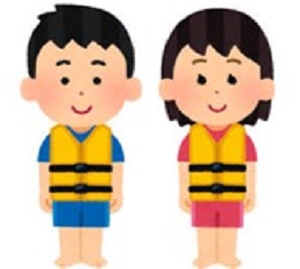
- Float toys can overturn easily. When children use them, make sure they wear a properly fitted lifejacket to prevent drowning incidents.
Check the Recommended Age for the Toy
- Most float toys specify a recommended age. Confirm that the toy is suitable for the child using it.If the toy is too large, a child’s feet may not reach the water, making it impossible to paddle or return to shore independently.
The larger the surface area (e.g., large 3D shapes), the more strongly it is affected by wind.
Never Take Your Eyes—or Hands—Off the Float Toy
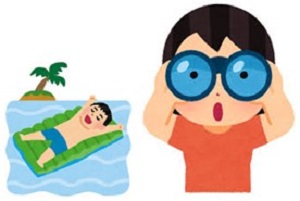
- Parents and guardians must stay close to their children at all times.
Objects floating on water are affected by wind much more than expected. Do not let go of the float toy while your child is on it.
Use Float Toys Only at Official Swimming Beaches
- Nearly half of related accidents occur outside designated swimming beaches.Use float toys only in supervised and managed areas with lifeguards or beach patrol staff.
Even at official beaches, do not use float toys when swimming is prohibited due to weather or sea conditions.
Avoid Using Float Toys on Windy Days
- Two types of wind affect beaches: offshore winds (from land to sea) and onshore winds (from sea to land).While onshore winds are common during the day, weather patterns or coastal geography may cause strong offshore winds.
Strong offshore winds can quickly push float toys offshore, making it impossible to return to shore. Extreme caution is required.

Move Carefully on Float Toys and Hold On to Handgrips
- Some accidents occurred when children stood on float toys and fell into the water.Teach children to stay seated or stable according to the toy’s design and to hold onto handles when available.
If Rescue Is Needed, Do Not Take Risks—Call for Help
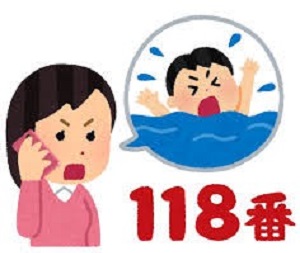
- There have been cases where adults attempting to rescue drifting float toys ended up in danger themselves.Some people have drowned while trying to retrieve an empty float toy being carried offshore.If a float toy drifts away, do not chase it. If rescue is needed, immediately alert lifeguards or call 118 (Japan Coast Guard).
- If you drift offshore while riding a float toy, do not attempt to get off. Stay on the toy and wait for rescue.
- The Japan Coast Guard, in cooperation with the Consumer Affairs Agency and the National Consumer Affairs Center of Japan, conducted demonstration tests to examine how wind affects float toys at sea.
Details are available .(Japanese Only)
(Issued July 17, 2019: “Beware of Accidents When Using Float Toys at the Beach!”)
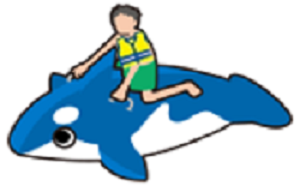
[Click to play the video]
Demonstration Video (Produced by the National Consumer Affairs Center of Japan) Activity Guide Activity Guide – Swimming Safety