SWIMMING SWIMMING
- HOME
- Swimming Safety Information
Activity Guide About Swimming Activities

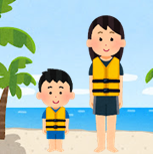
Swimming in the ocean is one of the most accessible water activities and requires no special equipment. However, it carries significant risks, and accidents occur every year.
This Swimming Edition of the Water Safety Guide provides clear explanations of essential precautions, good practices while swimming, and what to do if you begin to drown or face an emergency.
Learn how to protect yourself from risks—understand appropriate equipment such as lifejackets and enjoy swimming safely.
※This guide also includes some safety notes related to rivers.
For more detailed information on river safety, please refer to the following site:
Ministry of Land, Infrastructure, Transport and Tourism (MLIT):“River Accident Prevention Portal Site(external link)(Japanese Only)
In recent years, some beaches have been unable to operate as official swimming beaches due to staff shortages, resulting in the absence of lifeguards and safety personnel. At beaches that are not officially open, the following risks may be present:
- No lifeguards or safety patrols
- No protective nets, increasing the risk of encountering jellyfish, sharks, and other dangerous marine life
- No marked swimming zones, leading to potential conflicts between swimmers and watercraft such as personal watercraft (PWC)
To enjoy swimming safely, check the local municipality’s website for up-to-date information on officially opened beaches. Choose a beach with clearly marked swimming zones and proper safety management, including lifeguards and patrol staff.
Do not swim at unregulated natural beaches or general coastlines, where many drowning accidents occur every year.
“Not officially open” refers to beaches not designated as swimming beaches by local authorities, or beaches outside their designated operating period (including outside operating hours).
Safety Information
About Beaches Not Officially Open
Some beaches that usually operate every year may be closed in certain seasons. This section explains the risks and issues associated with beaches that are not officially open...
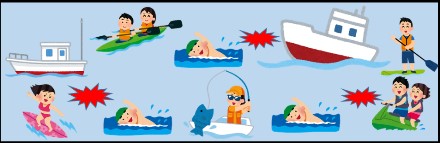
Precautions When Playing in the Ocean
Understand the ocean environment: when and where to swim, with whom, and what dangerous marine life you may encounter...
What to Do When You Feel in Danger
Learn essential self-rescue techniques!...
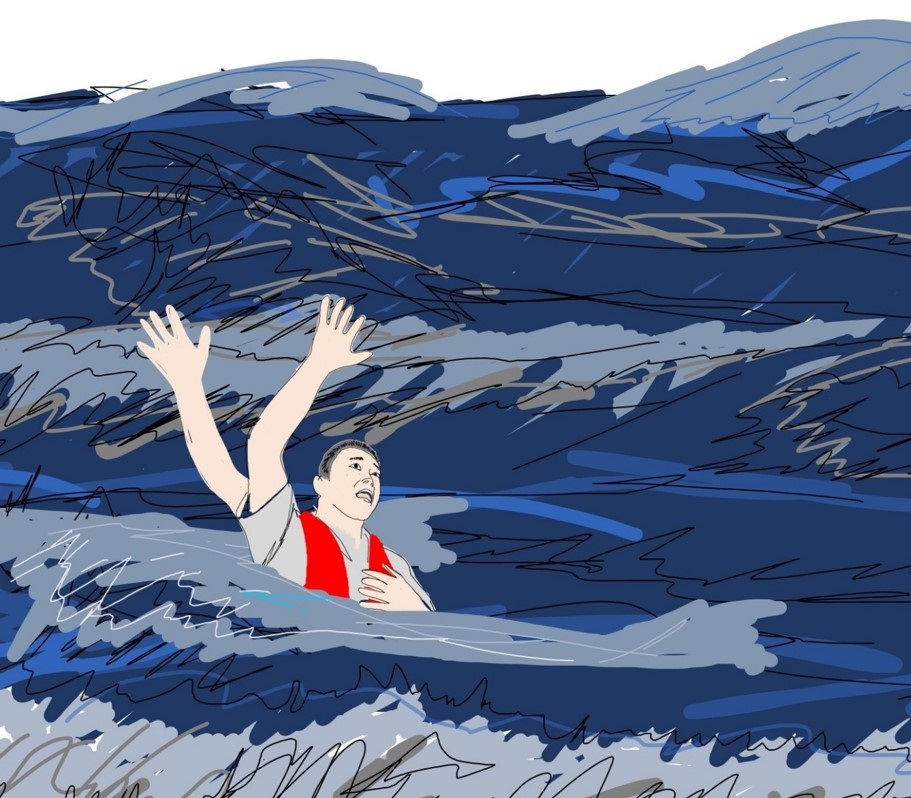
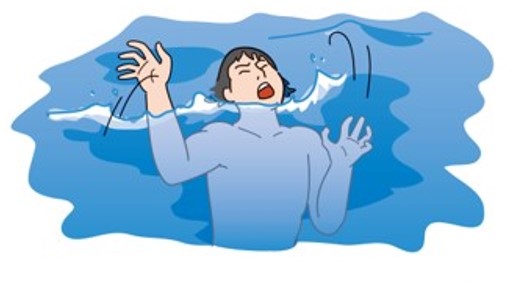
How to Help Someone Who Is Drowning
Call for help first. Prioritize your own safety. Use nearby objects for rescue when possible...
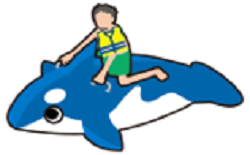
Safe Use of Inflatable Float Toys
Children often use float rings and inflatable toys at the beach, but these toys are highly affected by wind. A child on a float can easily be blown offshore...
For Those Who Want More Detailed Swimming Safety Information
Learn about definitions of drowning, where drowning occurs, drowning mechanisms, hypothermia, rip currents, reef currents, and more...
Reference Materials (Publications and Links from Related Organizations)
Publications and resources from various organizations...

Update History
- 2025/3/2 The English page for Swimming Safety has been published.